



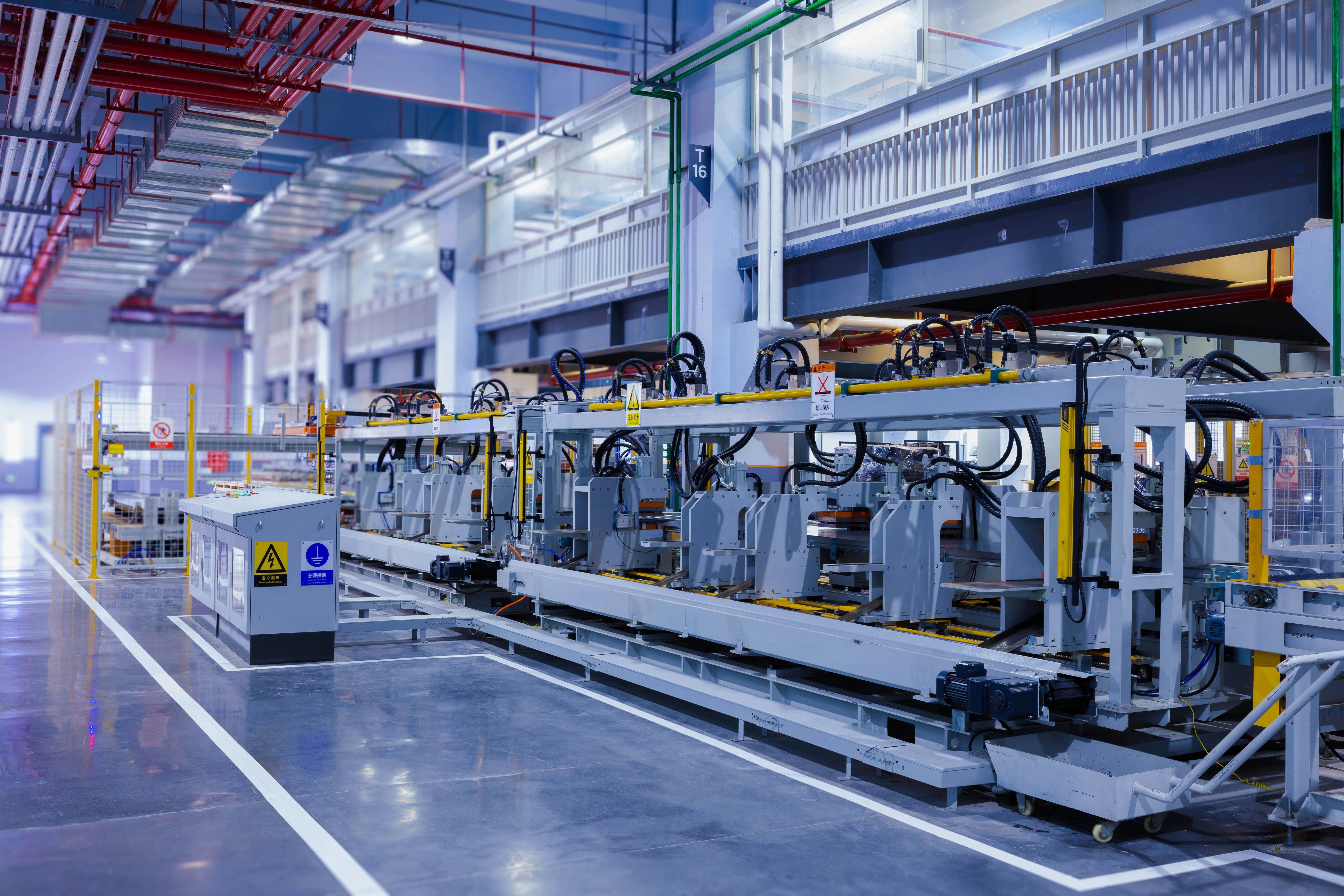
Graphene Energy Storage Systems for Commercial Use
o
oggie@civsav.com
oggie@civsav.com
Energy storage has become a critical requirement for commercial and industrial operations. As businesses rely more heavily on uninterrupted power, traditional battery systems are showing their limitations. Issues such as thermal risk, limited lifespan, slow charging, and performance degradation have made many organizations rethink how they store and manage energy. This shift has opened the door for advanced technologies, and graphene energy storage systems are emerging as a strong solution for modern commercial use.
Graphene energy storage systems are designed to meet the growing demand for durable, efficient, and safe power storage. Unlike conventional lithium-ion batteries, graphene-based systems offer improved performance, faster charge cycles, and longer operational life. For industries that depend on stable and predictable energy, this technology provides a new path forward. From grid support to industrial backup power, graphene is reshaping how commercial energy storage is approached.
This guide explains how graphene energy storage works, why it matters for commercial applications, and where it delivers the most value.
Commercial and industrial facilities face unique energy challenges. Power interruptions, peak demand charges, and equipment sensitivity all place pressure on existing energy infrastructure. Traditional battery systems were not designed to handle constant high-load cycles or long-term daily use without degradation.
Lithium-ion batteries, while widely used, come with known limitations. Thermal instability, capacity fade, and safety concerns increase maintenance requirements and replacement costs. In data-driven and mission-critical environments, these risks can result in downtime and financial loss.
Graphene energy storage addresses these challenges by offering higher thermal stability, faster energy transfer, and improved cycle life. These characteristics make graphene-based systems better suited for continuous commercial use, where reliability and performance consistency are essential.
Graphene is a single layer of carbon atoms arranged in a two-dimensional structure. Despite its thinness, it is one of the strongest and most conductive materials known. These properties make graphene highly effective for energy storage applications.
In battery systems, graphene improves electron movement, reduces internal resistance, and enhances heat dissipation. This leads to faster charging, higher power output, and improved safety. When integrated into solid-state battery designs, graphene helps eliminate many of the weaknesses found in liquid electrolyte systems.
Graphene supercapacitors also play a role in modern energy storage. These systems are designed for rapid charge and discharge cycles, making them ideal for applications that require quick bursts of power or frequent cycling. In commercial environments, this flexibility supports load balancing and peak demand management.
Understanding the differences between graphene-based systems and lithium-ion batteries is essential for making informed investment decisions. Lithium-ion batteries rely on chemical reactions that generate heat and degrade over time. As these systems age, performance declines and safety risks increase.
Graphene-based energy storage systems operate with greater efficiency and stability. Improved thermal management reduces overheating risks, which is especially important in commercial installations. Faster charging capabilities allow systems to recover quickly after discharge, improving uptime and operational readiness.
Another key advantage is lifespan. Graphene-enhanced systems are designed to handle more charge cycles with less degradation. For commercial users, this means fewer replacements, lower long-term costs, and more predictable performance over time.
Graphene energy storage systems are well suited for a wide range of commercial applications. One of the most prominent uses is power backup for critical infrastructure. Telecommunications facilities rely on continuous power to maintain network stability. Graphene battery systems provide reliable backup during outages, ensuring uninterrupted service.
Data centers are another key application. These environments require stable power with minimal interruption. Graphene energy storage supports rapid response to power fluctuations, protecting sensitive equipment and reducing downtime. Faster charge and discharge cycles also improve resilience during grid instability.
Industrial facilities benefit from graphene storage through load management and peak shaving. By storing energy during low-demand periods and releasing it during peak usage, businesses can reduce energy costs and improve efficiency. This is especially valuable for manufacturing plants with variable energy demand.
Graphene energy storage plays an important role in modern grid energy storage strategies. As renewable energy sources become more common, grid stability becomes more complex. Solar and wind generation are variable, requiring storage systems that can respond quickly to changes in supply and demand.
Graphene-based storage systems are well suited for this role due to their rapid response and durability. They help smooth energy output, reduce grid stress, and support more efficient energy distribution. For commercial users connected to smart grids, this translates into improved reliability and reduced exposure to outages.
Energy load balancing is another important benefit. Commercial facilities can use graphene storage to manage demand spikes, protect equipment, and reduce reliance on grid power during peak periods.
Many commercial operations function in remote or off-grid environments. Agriculture, mining, and infrastructure projects often require reliable energy storage without direct grid access. Graphene energy storage systems provide consistent performance in these conditions.
In agricultural operations, energy storage supports irrigation systems, processing equipment, and monitoring systems. Graphene batteries offer durability and reliability, even in harsh environments. Their longer lifespan reduces maintenance demands, which is especially important in remote locations.
Off-grid commercial facilities benefit from graphene’s efficiency and safety. Stable performance under varying loads ensures operations remain functional regardless of external power availability.
Safety is a top priority in commercial energy storage. Battery failures can lead to equipment damage, downtime, and safety hazards. Graphene energy storage systems offer improved thermal stability, reducing the risk of overheating and system failure.
Solid-state designs further enhance safety by removing flammable liquid electrolytes. This makes graphene systems more suitable for indoor installations and high-density environments. Reduced fire risk and improved structural integrity contribute to safer energy infrastructure.
Reliability also improves planning and confidence. Commercial users can deploy graphene systems knowing performance will remain consistent across demanding operating conditions.
While advanced energy storage systems require upfront investment, graphene technology delivers long-term value. Extended lifespan reduces replacement frequency, lowering total cost of ownership. Improved efficiency reduces energy losses, leading to better cost control.
Maintenance requirements are also lower compared to traditional systems. Fewer failures and less degradation reduce service needs and operational disruption. For commercial operations, this stability supports better financial planning and predictable energy costs.
As energy demands continue to rise, scalable storage solutions become essential. Graphene energy storage systems are designed to grow with operational needs, supporting future expansion without major infrastructure changes.
Energy storage is no longer just a backup solution. It is a core component of modern commercial energy strategy. Businesses investing in advanced storage systems position themselves for resilience, efficiency, and adaptability.
Graphene energy storage aligns with long-term sustainability goals by supporting renewable integration and reducing reliance on inefficient systems. As technology advances, early adoption provides competitive advantages in reliability and operational control.
Careful planning and system design ensure that graphene storage solutions deliver maximum benefit. Understanding load requirements, usage patterns, and future growth helps tailor storage systems to real-world needs.
Graphene energy storage systems represent a significant step forward for commercial and industrial energy management. By addressing the limitations of traditional battery technologies, graphene offers safer, more efficient, and longer-lasting solutions. From grid support and data centers to off-grid operations and industrial facilities, graphene-based storage delivers reliable performance where it matters most.
As commercial energy needs continue to grow, investing in advanced storage solutions becomes essential. Graphene energy storage provides a future-ready approach that supports stability, efficiency, and long-term operational success.